LESS
All disciplines

03 / 05Disciplines / LESS

Hypothermia

Accidental hypothermia in the injured – prevention from the scene of the injury to the hospital | LESS

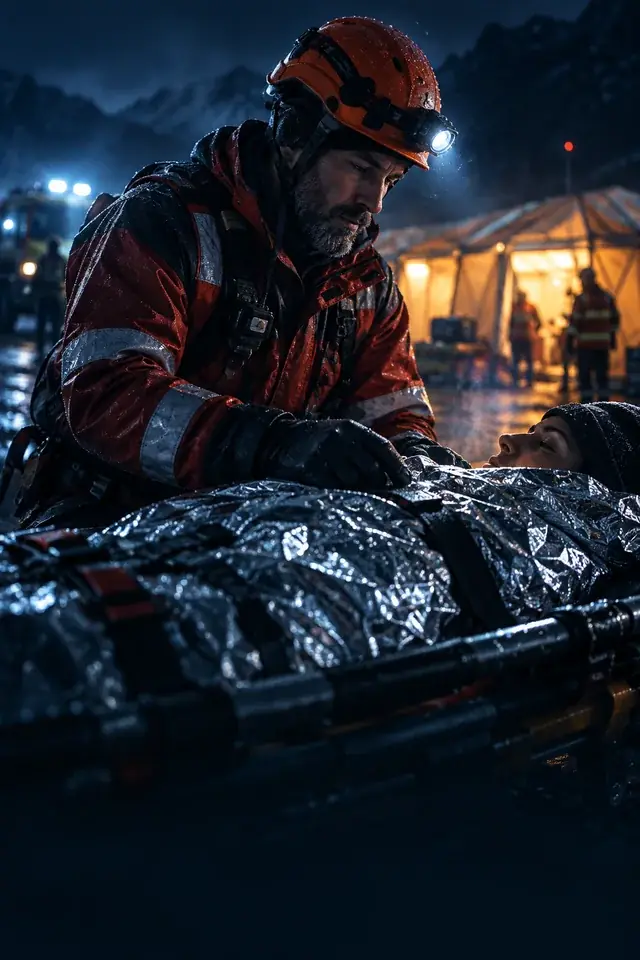
A Home Guard soldier and emergency responders work together to prevent a patient from becoming hypothermic during Exercise Grenskraft/Birkebeiner 2026.
A Home Guard soldier and emergency responders work together to prevent a patient from becoming hypothermic during Exercise Grenskraft/Birkebeiner 2026.Photo: Emma Føreland / The Norwegian Armed Forces

The cold makes everything worse. The injured person loses heat from the very first minute—to the ground, in wind and wet conditions, and during every movement. Heat retention is a life-saving measure and ranks among the highest priorities.

Knowledge

Before you choose equipment.

Accidental hypothermia exacerbates all other injuries. This is how heat loss occurs, and this is how it is prevented—even in mass-casualty incidents.

Wool blanket, windproof cover, vapour barrier and insulating mat.
Illustration / LESS

What is Hypothermia

  • Unintended core temperature below 35 °C.
  • Hypothermia can occur in isolation, but more often, a low body temperature contributes to a more complicated clinical course for the sick or injured.
  • It can also occur during the summer and indoors.
  • "Cold patient": the patient appears cold, but the core temperature has not been measured. Use this term—it accurately reflects the situation in the field.
  • The Swiss staging system, as presented by NKT—used when core temperature cannot be measured: I Mild, conscious and shivering, 35–32 °C. II Moderate, reduced consciousness, not shivering, 32–28 °C. III Severe, unconscious but breathing, 28–24 °C. IV Profound, unconscious, not breathing, < 24 °C.
Swiss staging · estimated core temperature
StageEstimated temperatureClinical signs
I · Mild35–32 °CConscious and shivering.
II · Moderate32–28 °CReduced consciousness, not shivering.
III · Severe28–24 °CUnconscious but breathing.
IV · Profound< 24 °CUnconscious, not breathing.

Why hypothermia is dangerous for the injured

Hypothermia is a reduced body temperature. A person is considered hypothermic—or chilled—when their core body temperature falls below 35 °C.

Accidental hypothermia is highlighted as a critical issue and a high priority in the national trauma plan; specifically, "maintaining a clear airway, controlling bleeding, and preventing hypothermia" are emphasized (Trauma Plan/NKT) – cold is an injury. • An independent risk factor for death in trauma patients. • The "lethal triad": hypothermia, acidosis, and coagulopathy — creates a self-reinforcing, deadly cycle. • Coagulation factors and platelets function poorly below approximately 35 °C, making it more difficult to stop bleeding. • Prevalence: A significant proportion of severely injured patients are hypothermic upon arrival.

The lethal triad · conditions that reinforce one another

Hypothermia
Low core temperature
Acidosis
Disturbed acid–base balance
Coagulopathy
Impaired blood clotting

How heat is lost

Four pathways of heat transfer: • Conduction • Convection (wind chill) • Evaporation • Radiation

Without insulation and the application of heat, the temperature continues to drop—even after the injured person has been removed from the cold. • Afterdrop: the core temperature may continue to fall even after rewarming has begun. Early intervention is therefore crucial. • Additional factors for the injured: blood loss, undressing for examination, administration of cold fluids, and long waiting times.

What the protection needs to do

Conduction
Heat transfers from the body through contact with a cold surface.
Ground insulation
Convection
Moving air carries heat away from the body.
Windproof protection
Evaporation
Moisture evaporating from skin or clothing takes heat with it.
Vapour barrier
Radiation
The body radiates heat into colder surroundings.
Body coverage

Guides / Equipment selection

Start with the task. Then choose the equipment.

Practical guides to the equipment you need.

All guides

Equipment / Hypothermia

The full range in this discipline

26 products across 1 catalogue category

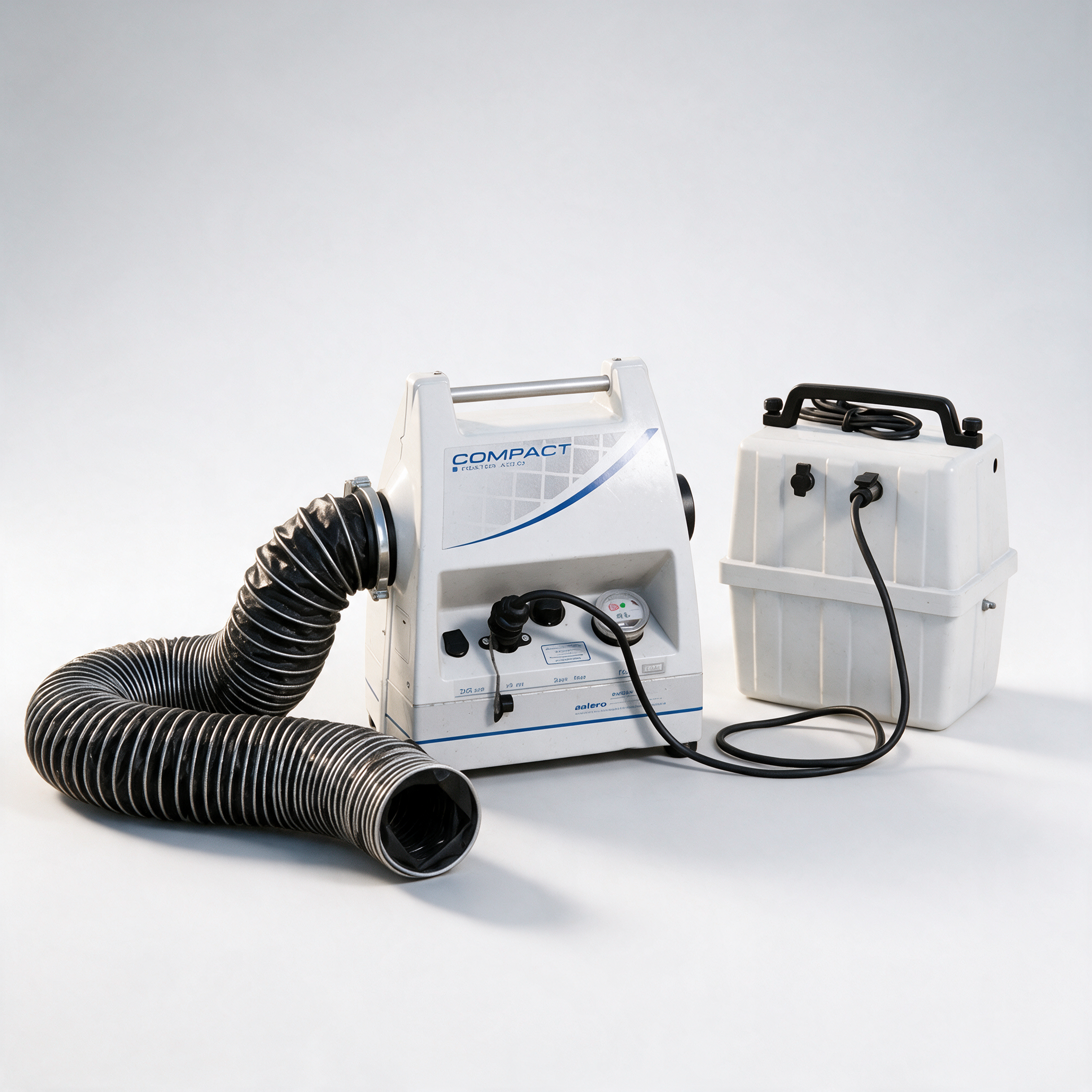
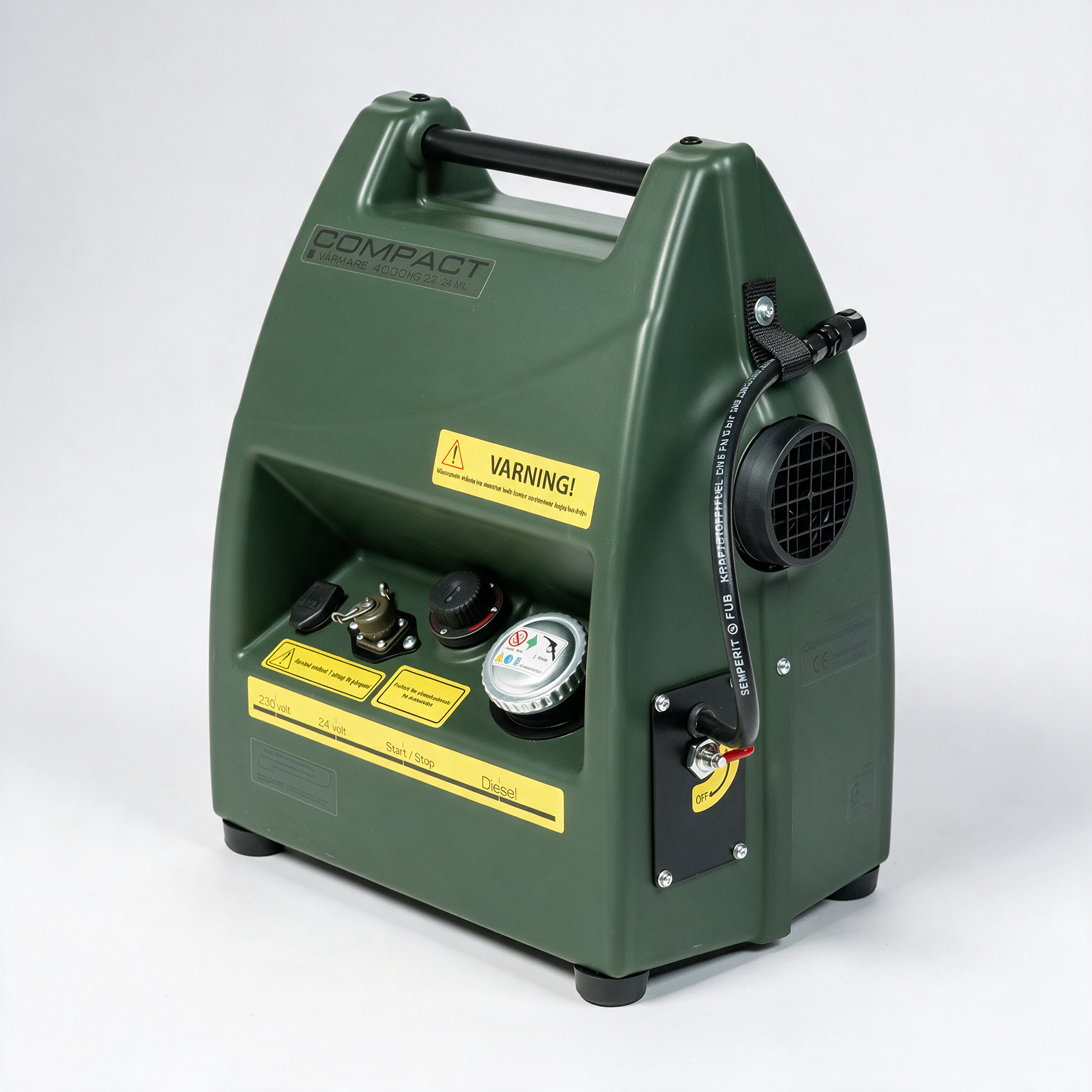
Compact Heater 4000
4000

Compact Heater

Mobile heater. Lightweight and very

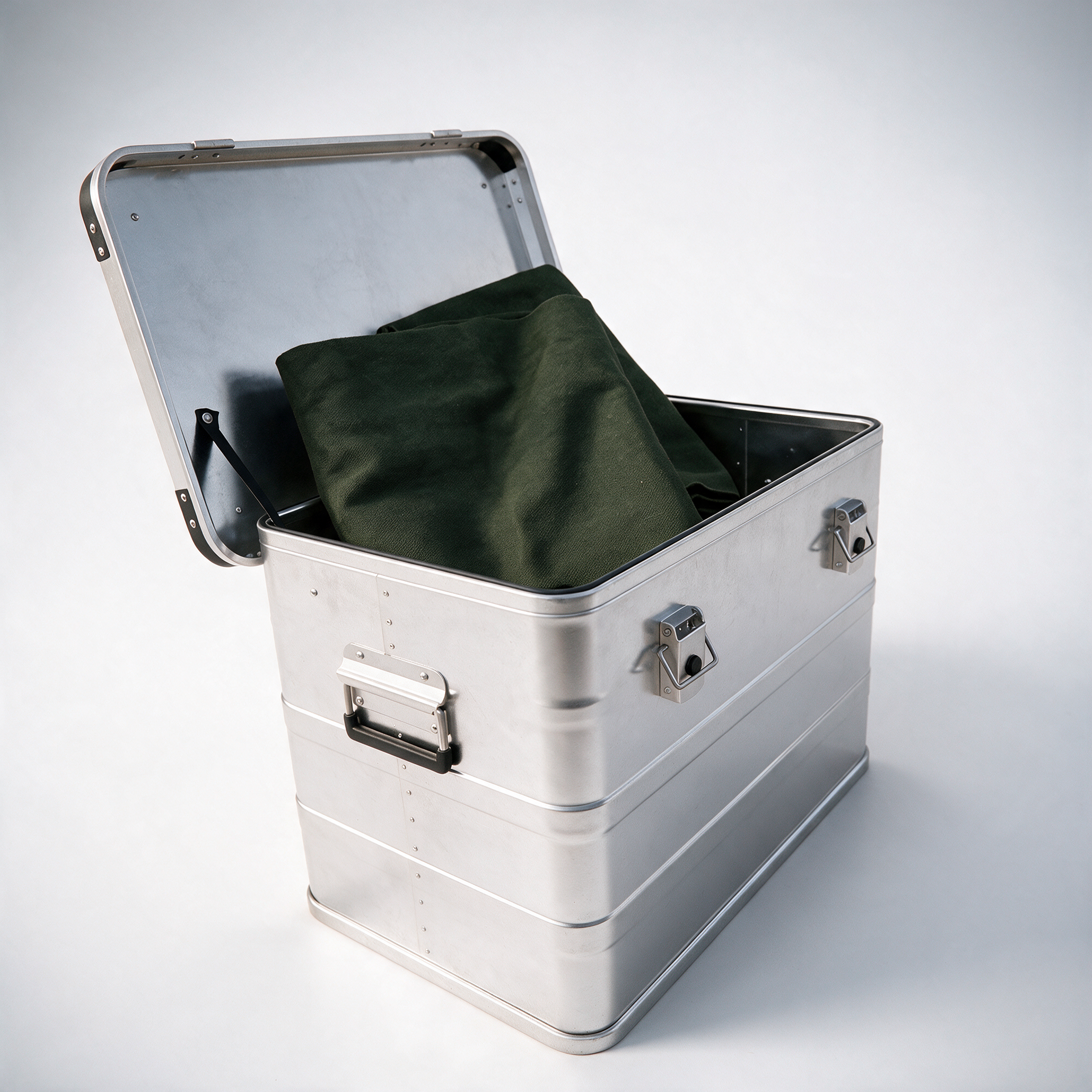
Emergency kit - Hypothermia 3019 10
3019 10

Emergency kit - Hypothermia

Emergency kit - Hypothermia consists of a LESS aluminium tool box and LESS emergency blankets .

ESPE Emergency Blanket 170021
170021

ESPE Emergency Blanket

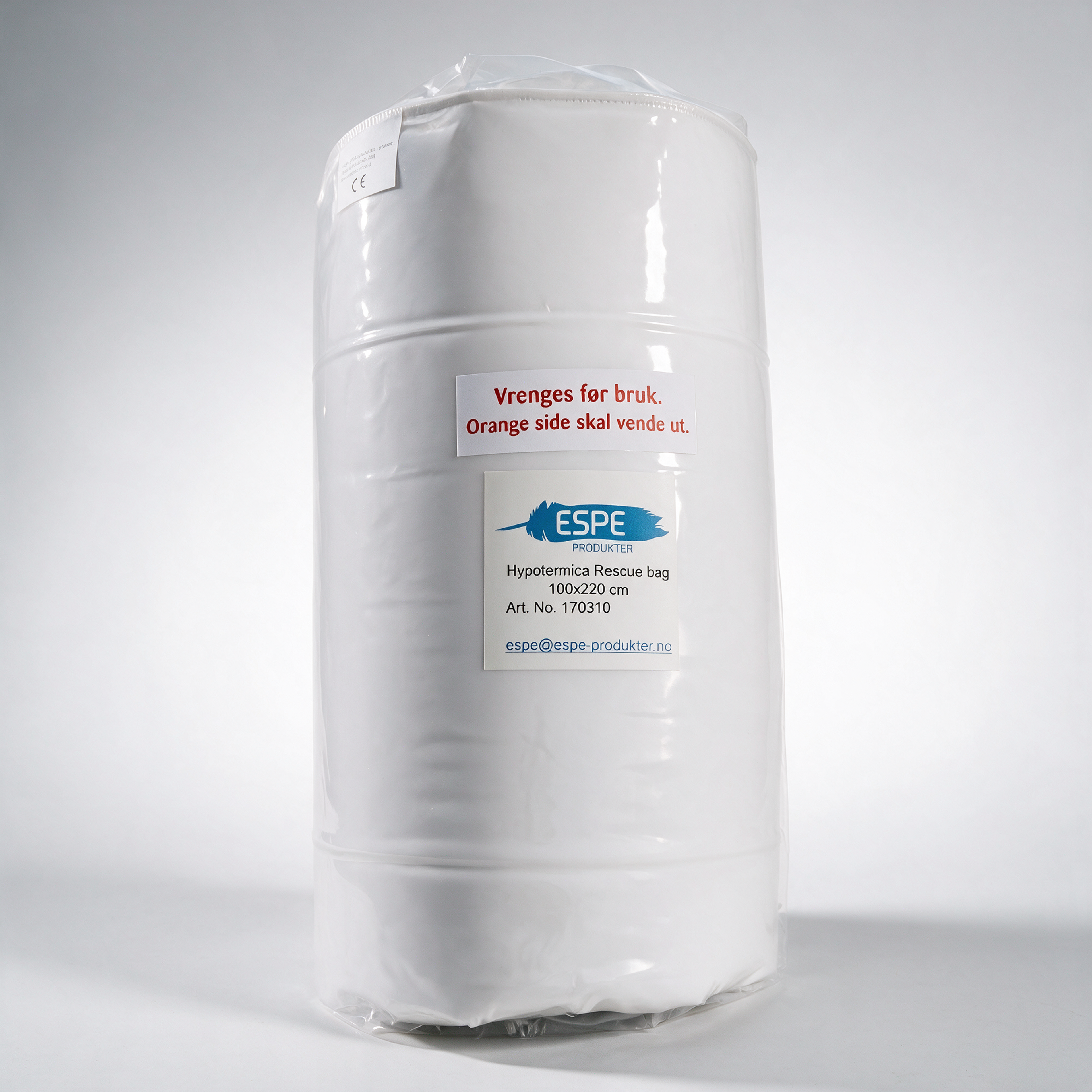
ESPE Emergency Rescue Bag 170310
170310

ESPE Emergency Rescue Bag

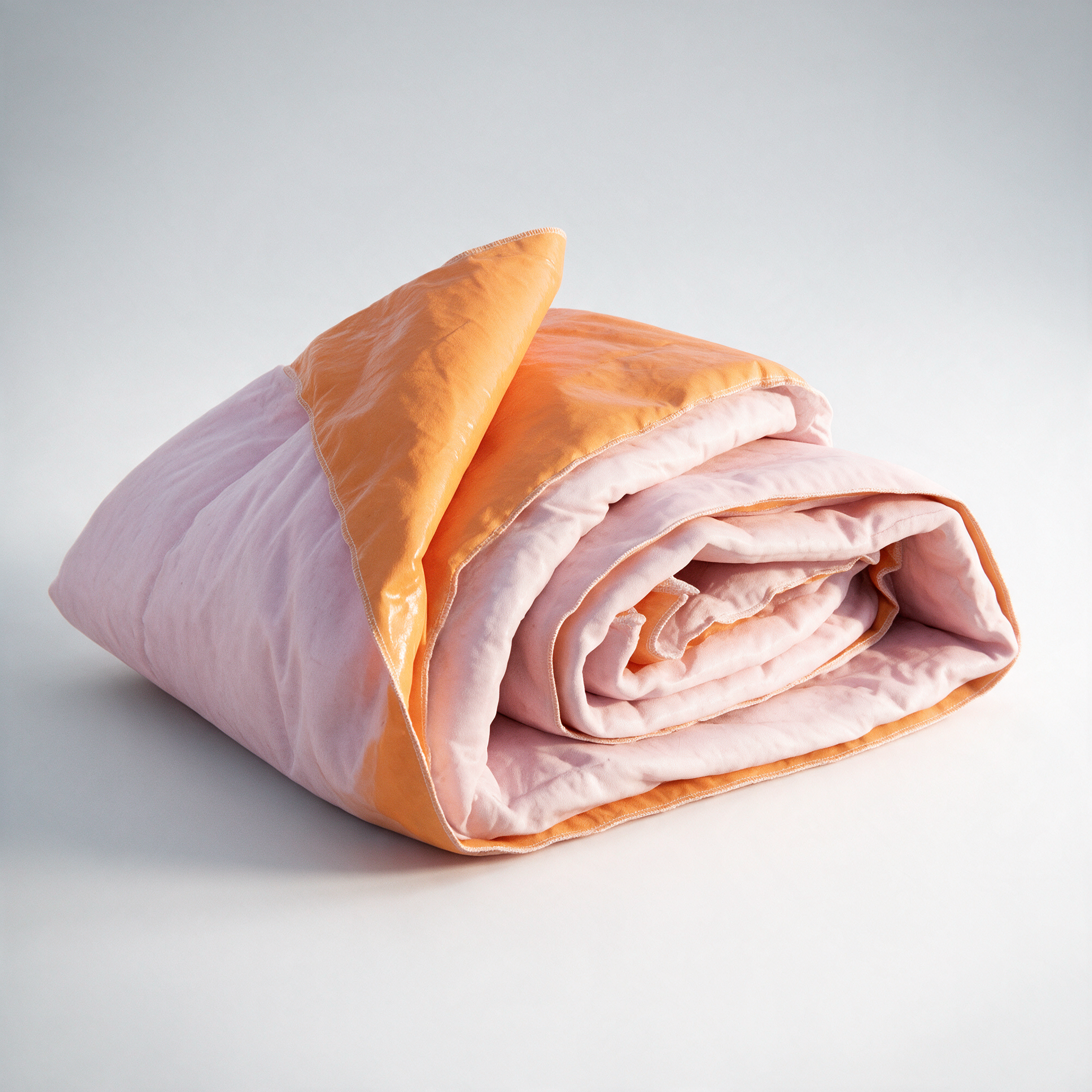
Emergency blanket, orange

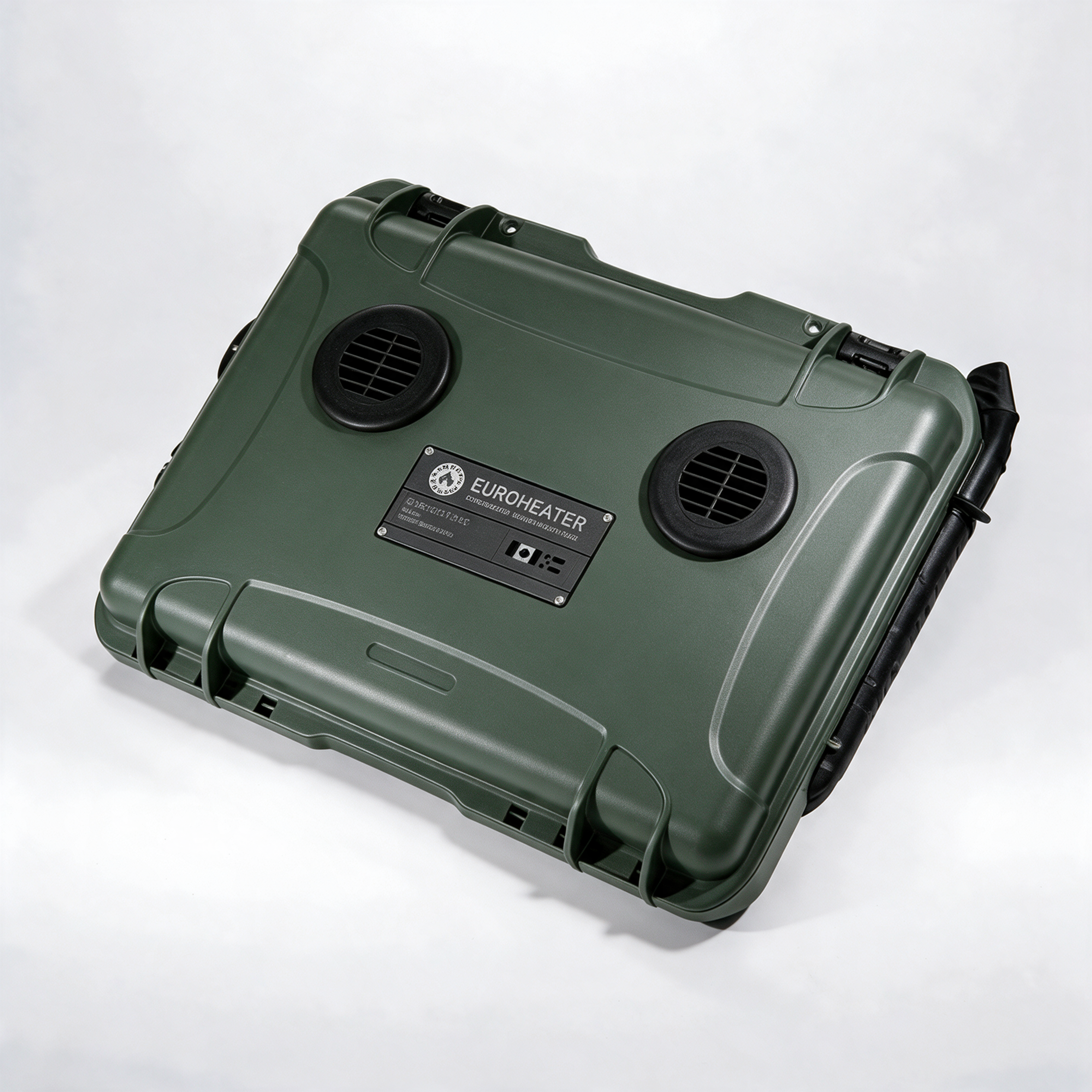
EUROHEATER 4D Tactical Heater
EH-003

EUROHEATER 4D Tactical Heater

A high-performance

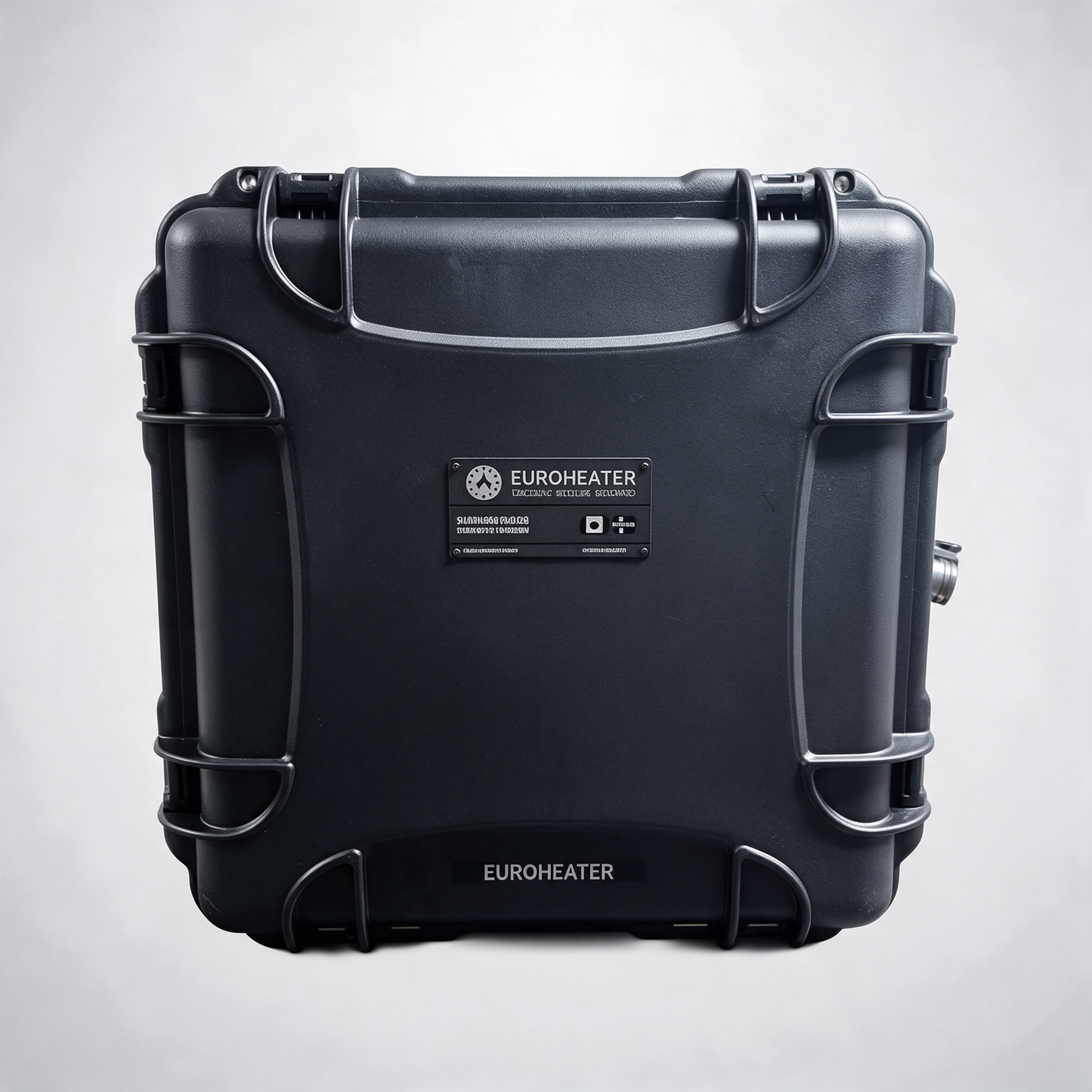
EUROHEATER 8D Tactical Heater
EH-004

EUROHEATER 8D Tactical Heater

A high-capacity tactical heating system designed to provide reliable heat for larger shelters, tents, and operational spaces.

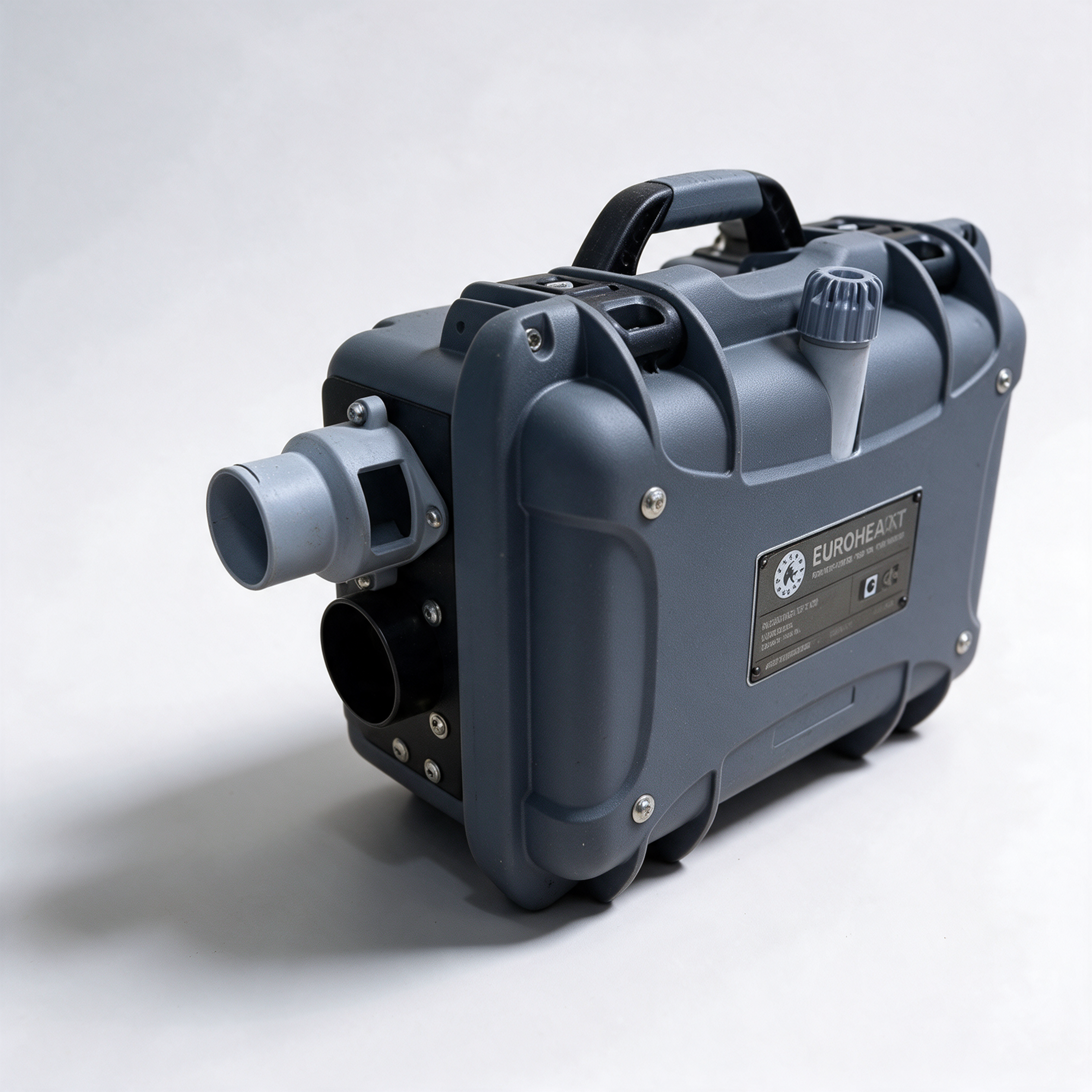
EUROHEATER EvacCore Tactical Heater
EH-005

EUROHEATER EvacCore Tactical Heater

A compact tactical air heater designed to deliver reliable, controlled heat during field operations, evacuation, and emergency response.

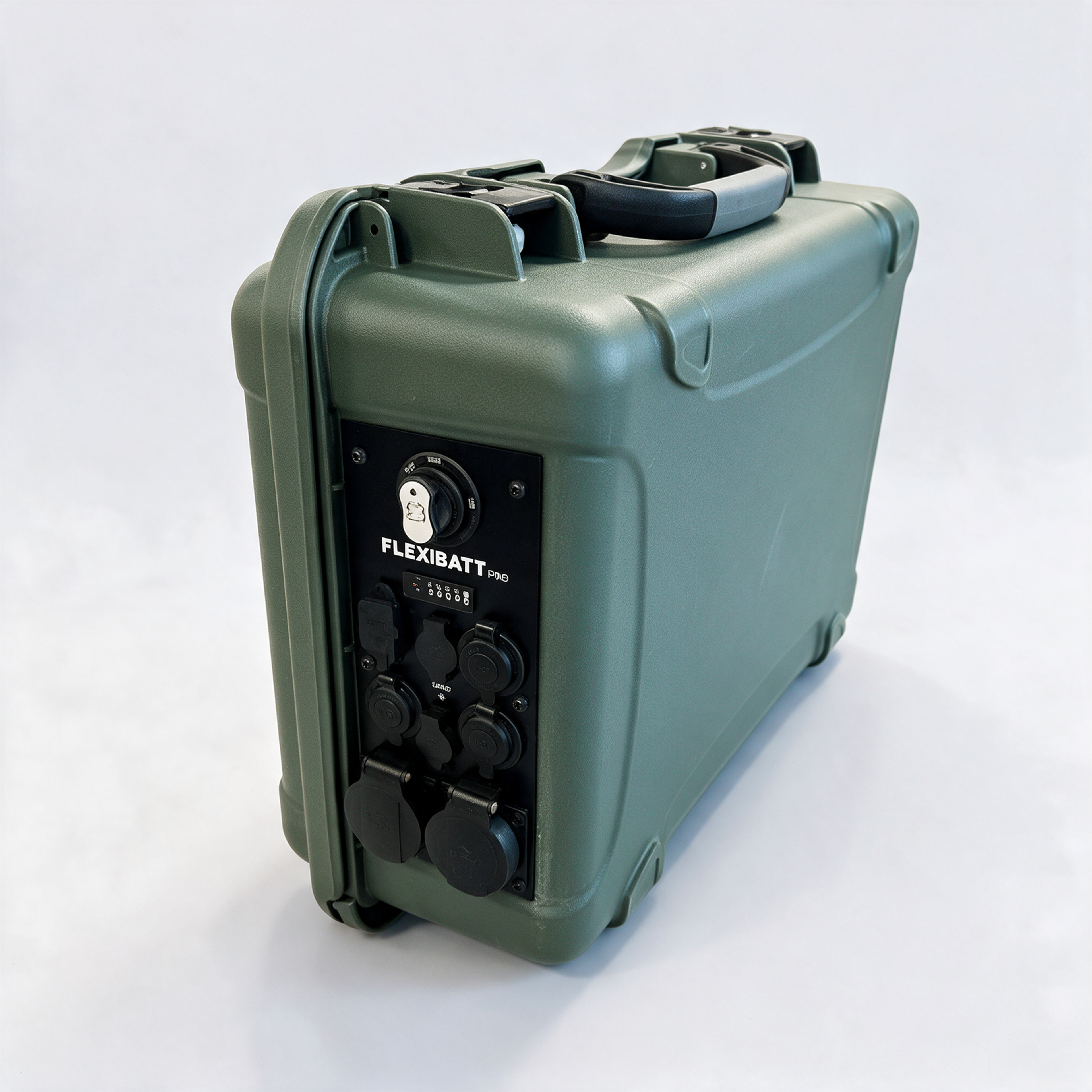
FlexiBatt PRO Portable Power
NOR0004

FlexiBatt PRO Portable Power

A professional portable power system designed to deliver 230 V power.

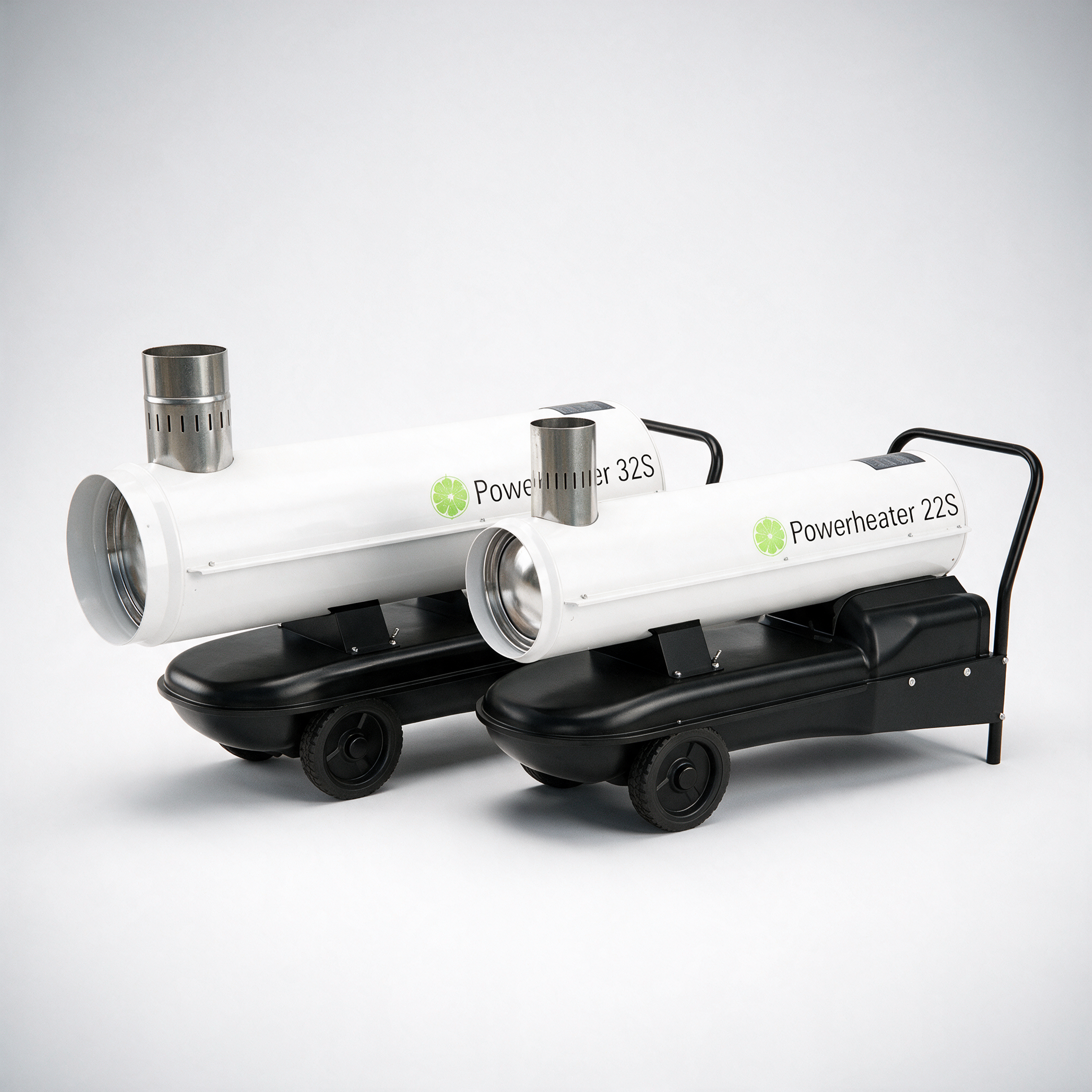
FOMA Powerheater 32S
 

FOMA Powerheater 32S

FOMA Powerheater Foma Powerheater 32S is a very efficient and reliable power heater.

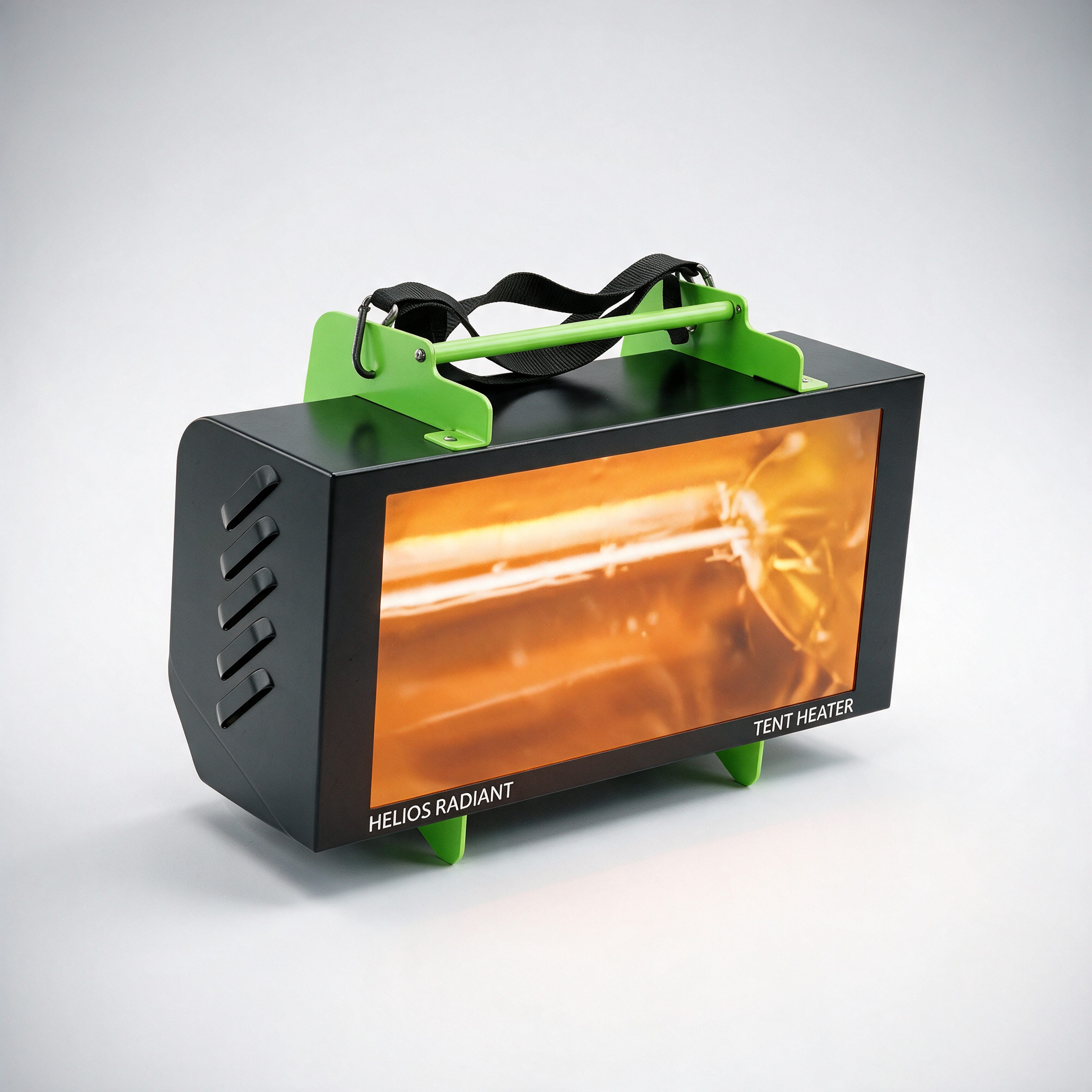
Helios Radiant Safety Glass Tent Heater
8121 05

Helios Radiant Safety Glass Tent Heater

Image coming
 

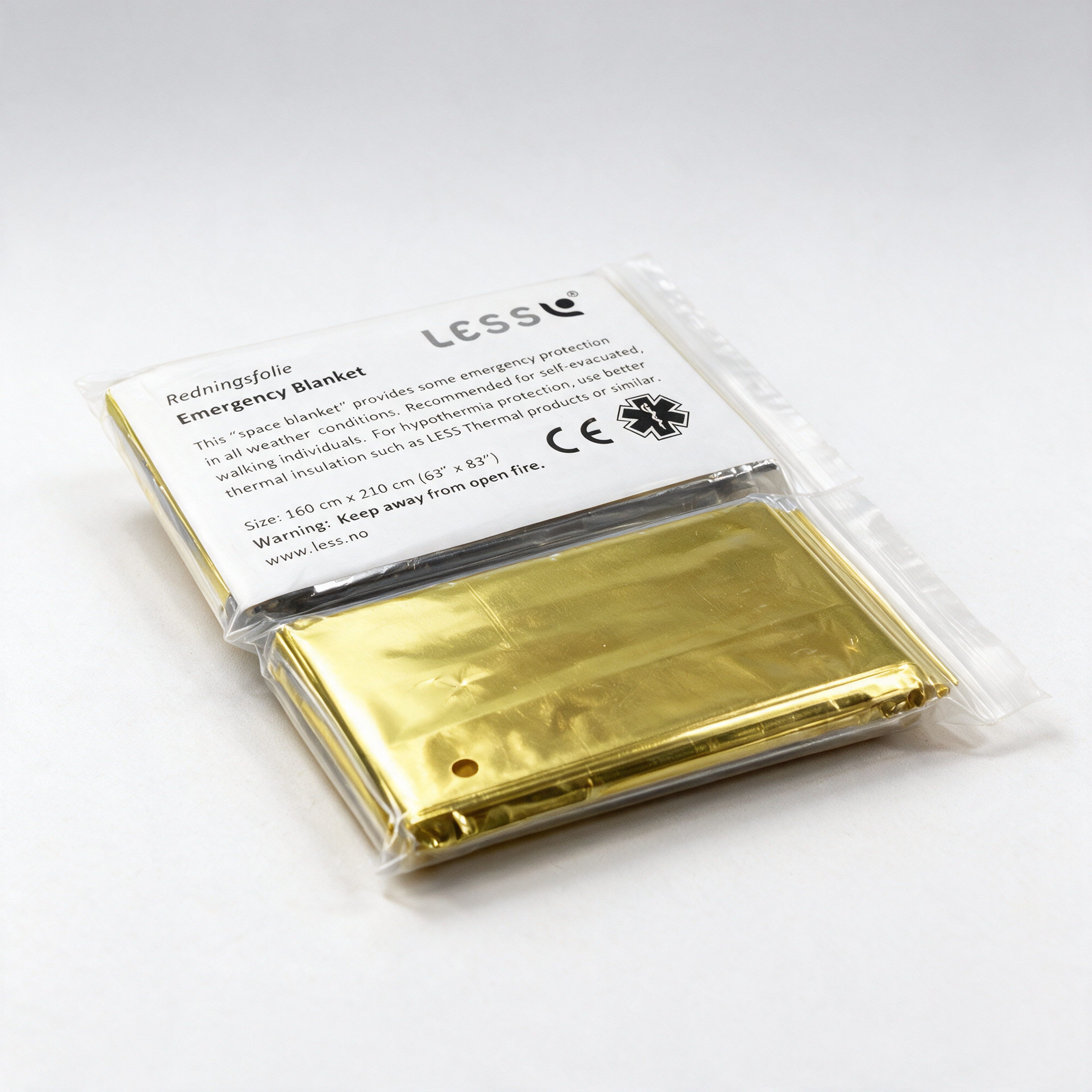
LESS® Ambulance Blankets

LESS Ambulansetepper are used for prehospital hypothermia prevention but lose insulation effectiveness in wet environments.

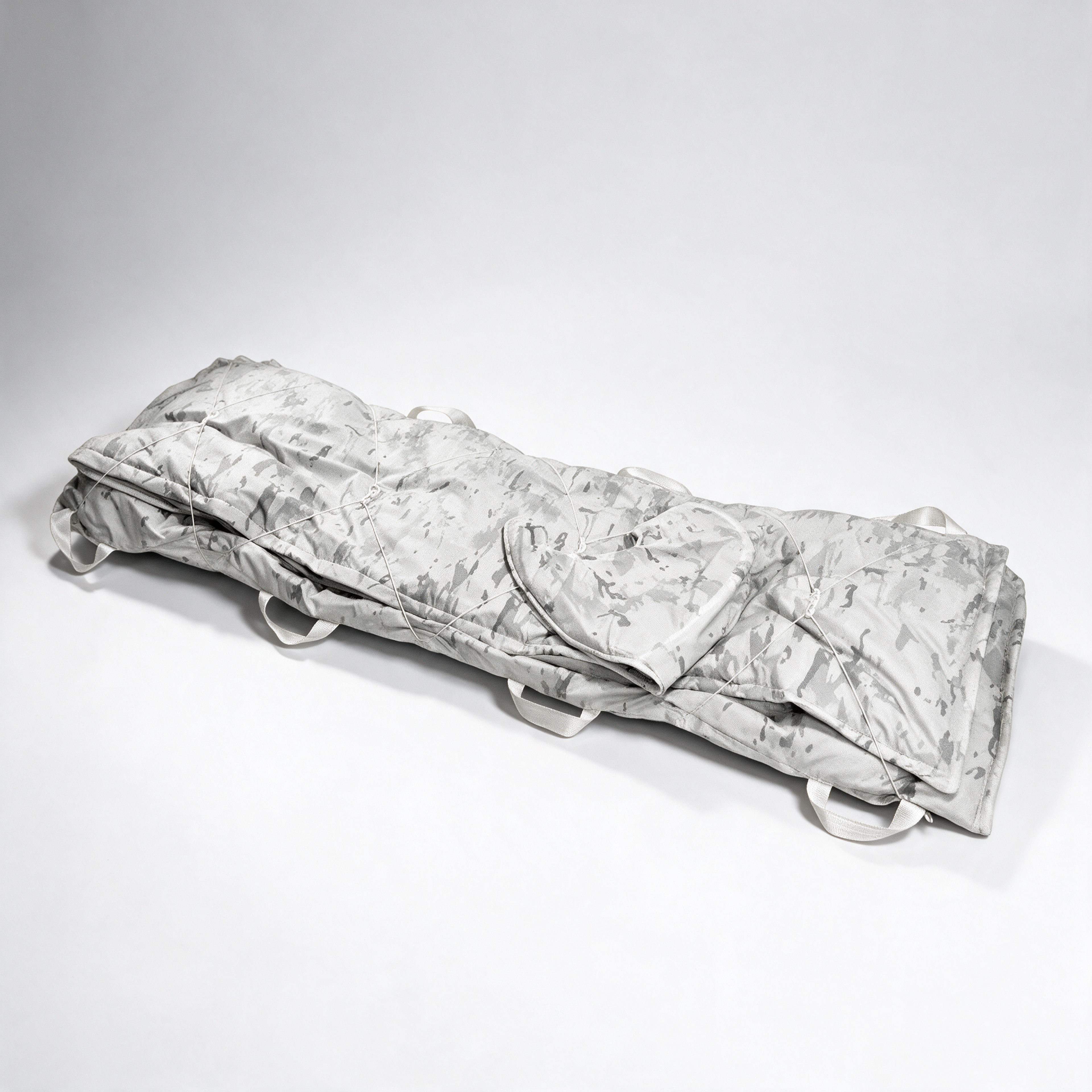
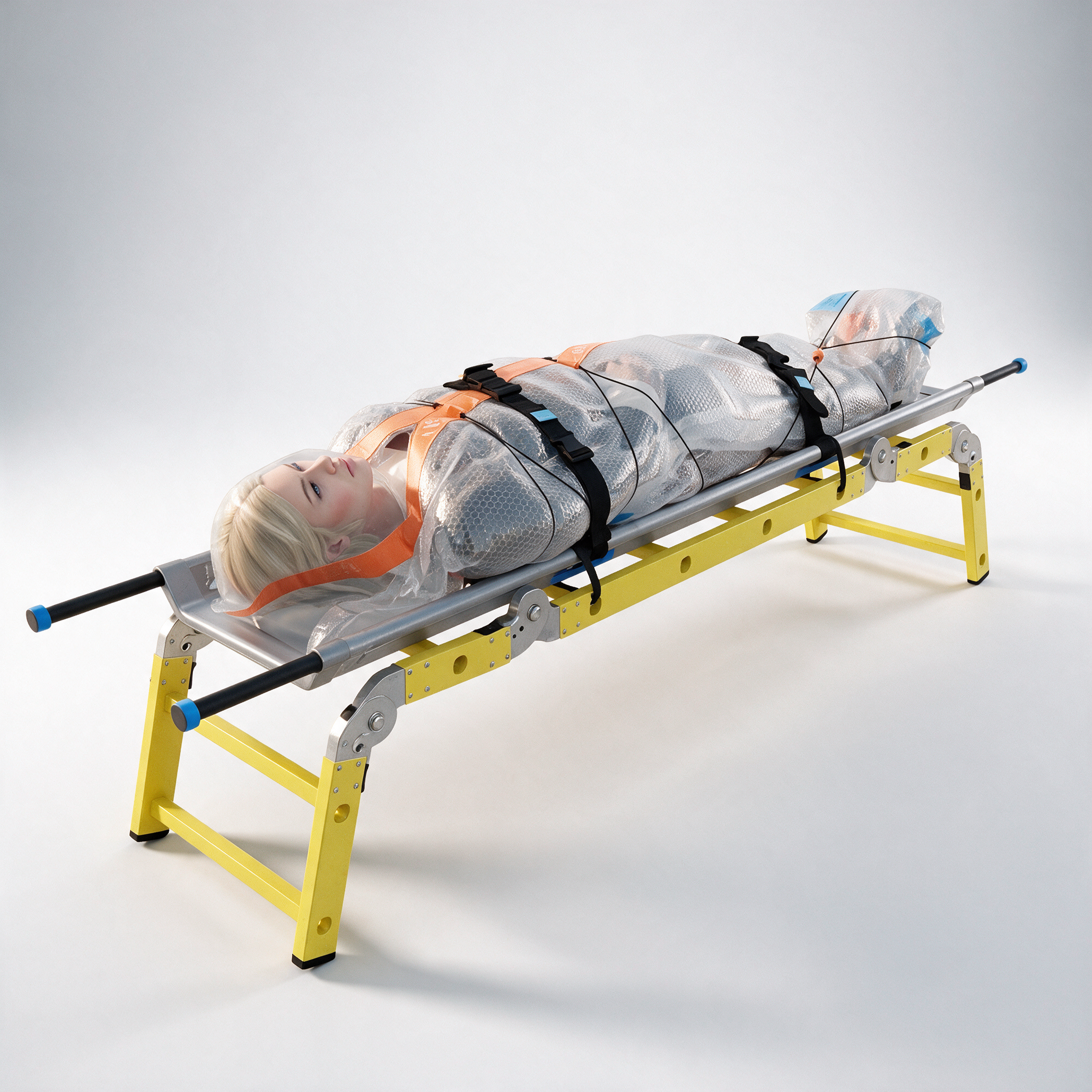
LESS Arctic Evac System
 

LESS® Arctic Evac System

Designed for rapid patient evacuation in extreme arctic conditions, with a focus on efficient patient logistics.

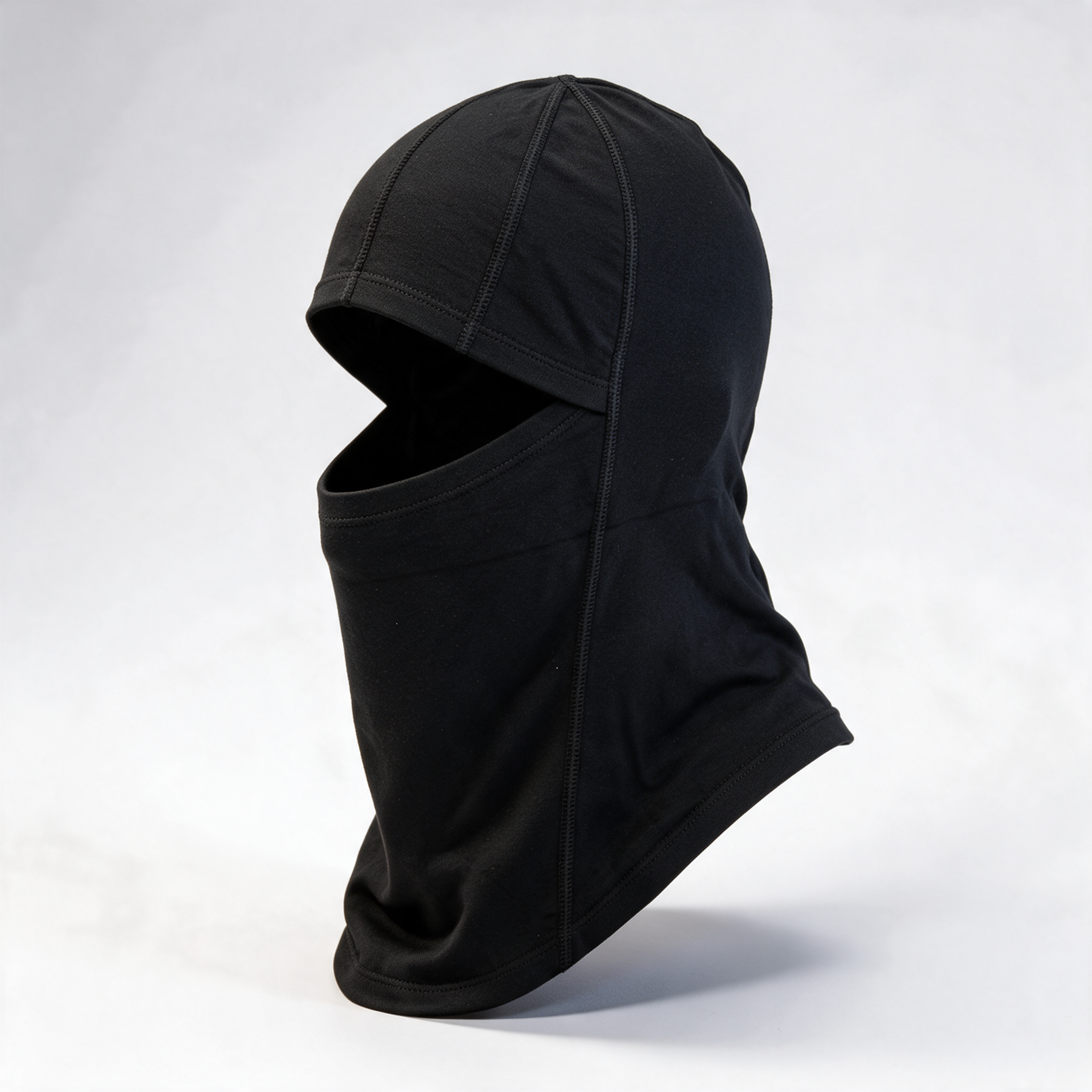
LESS Balaclava
 

LESS® Balaclava

Balaclava in Merino wool for comfort.

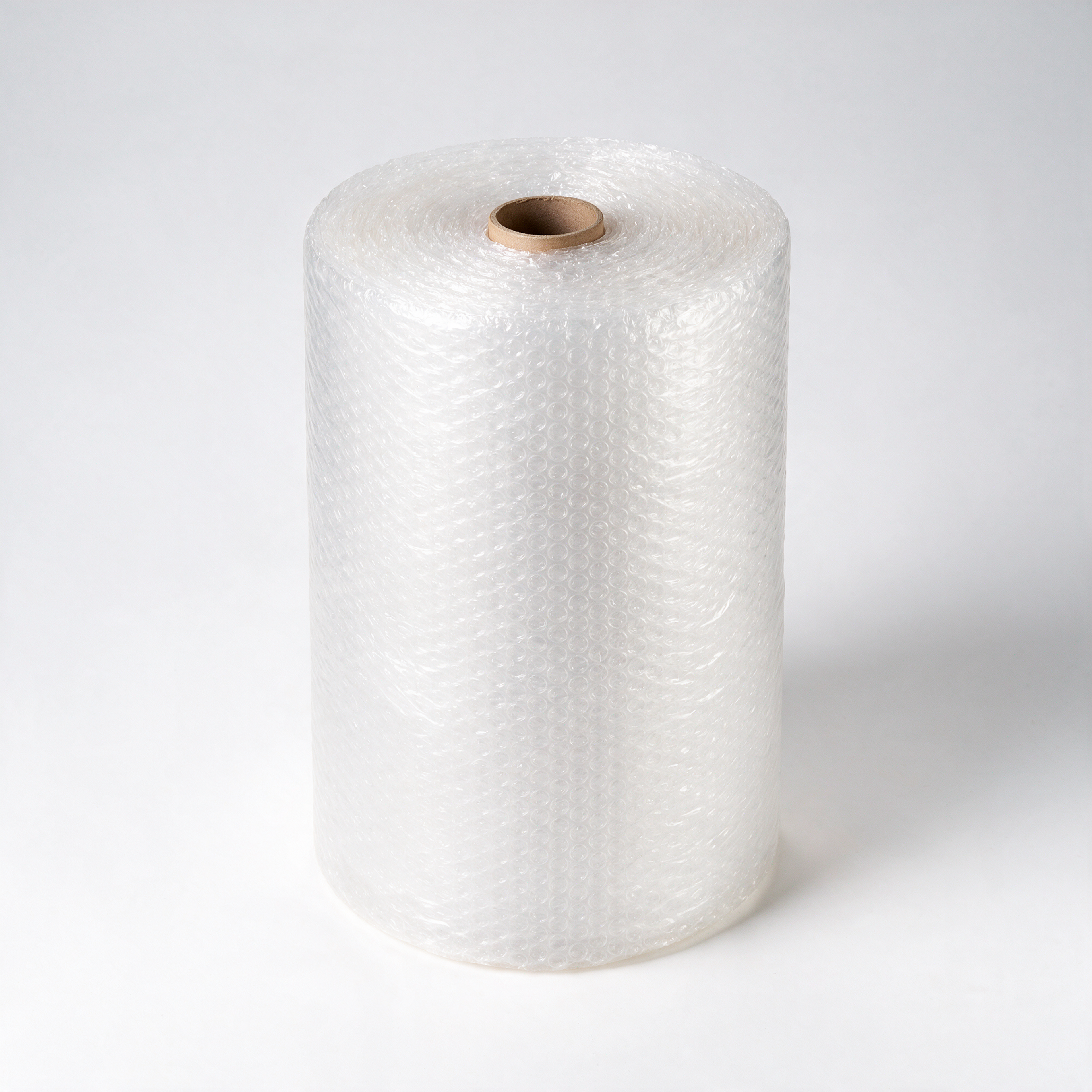
LESS Bubble Wrap roll
 

LESS® Bubble Wrap roll

Roll with 3-layer boble wrap, small bobles.

LESS Emergency Wool Blanket 3019
3019

LESS® Emergency Wool Blanket

The LESS Beredskapsteppe 3019 is a wool blanket manufactured to Norwegian Defence specifications.

Image coming
3096

LESS® Lue i folie

LESS Rescue Foil 3092 is manufactured from aluminum-coated PET with a thickness of 11.97 micrometers.

LESS Pasientteppe Fleece
3018

LESS® Pasientteppe Fleece

The LESS Pasientteppe Fleece 3018 is manufactured from 100% polyester, providing good insulation and durability.

Image coming
3093

LESS® Pasientteppe, flerlags folie

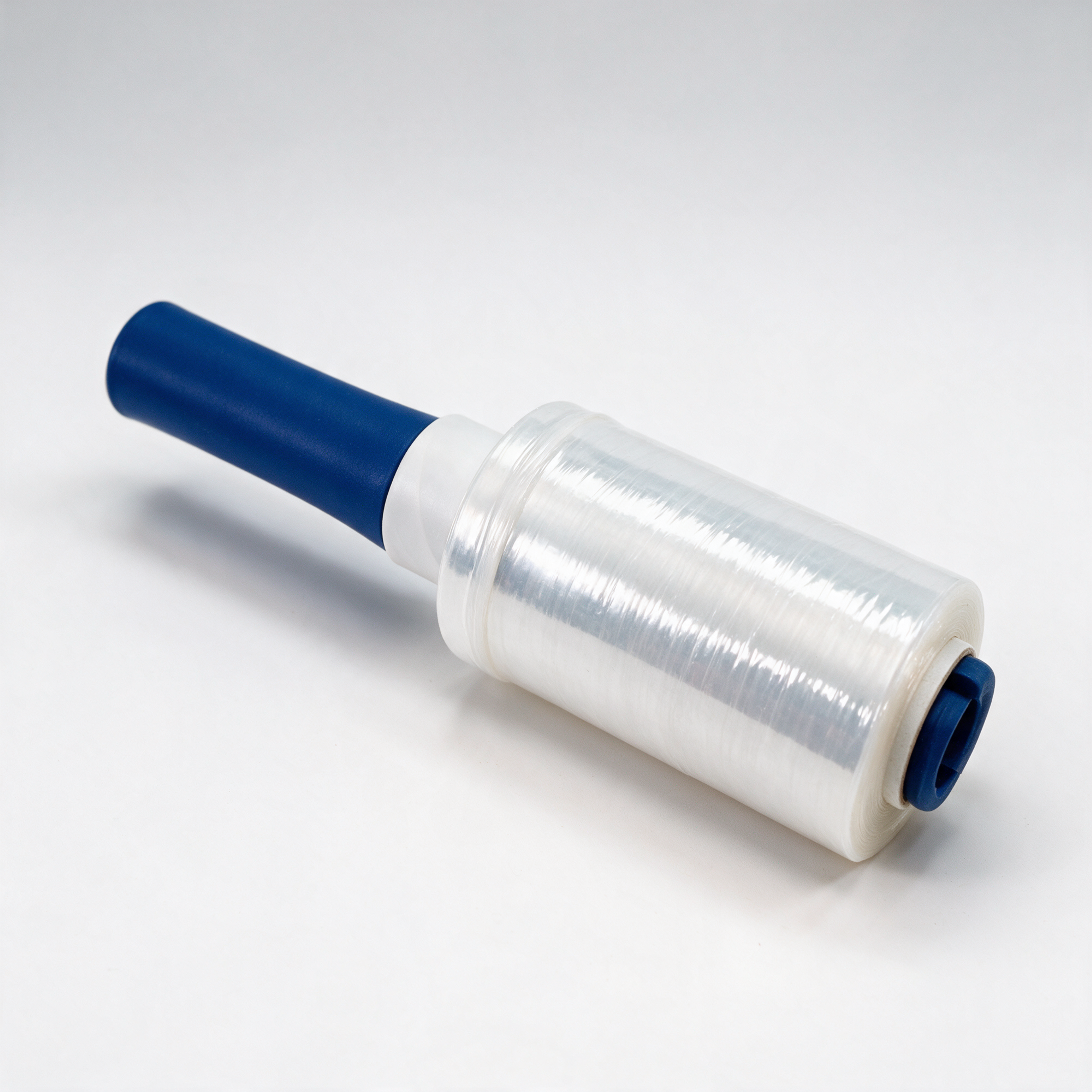
LESS Plastfilm 15cm
3010 90FILM

LESS® Plastfilm 15cm

LESS Plastfilm 15cm is a CE-marked plastic film manufactured to food-grade material standards.

LESS Rescue Blankets
3092

LESS® Rescue Blankets

LESS Thermal Bag 3010
3010

LESS® Thermal Bag

A cost efficient basic protection against hypothermia Bag to be rolled tight around patient and closed with elastic and hooks.

LESS Thermal Hood 3011
3011

LESS® Thermal Hood

Thermal Hood Practical closing with Velcro.

Polarn Compact Heater 4000 MIL
 

Polarn Compact Heater 4000 MIL

Diesel heater 4000 230/24 MIL is a robust, portable and military-grade heater, developed to

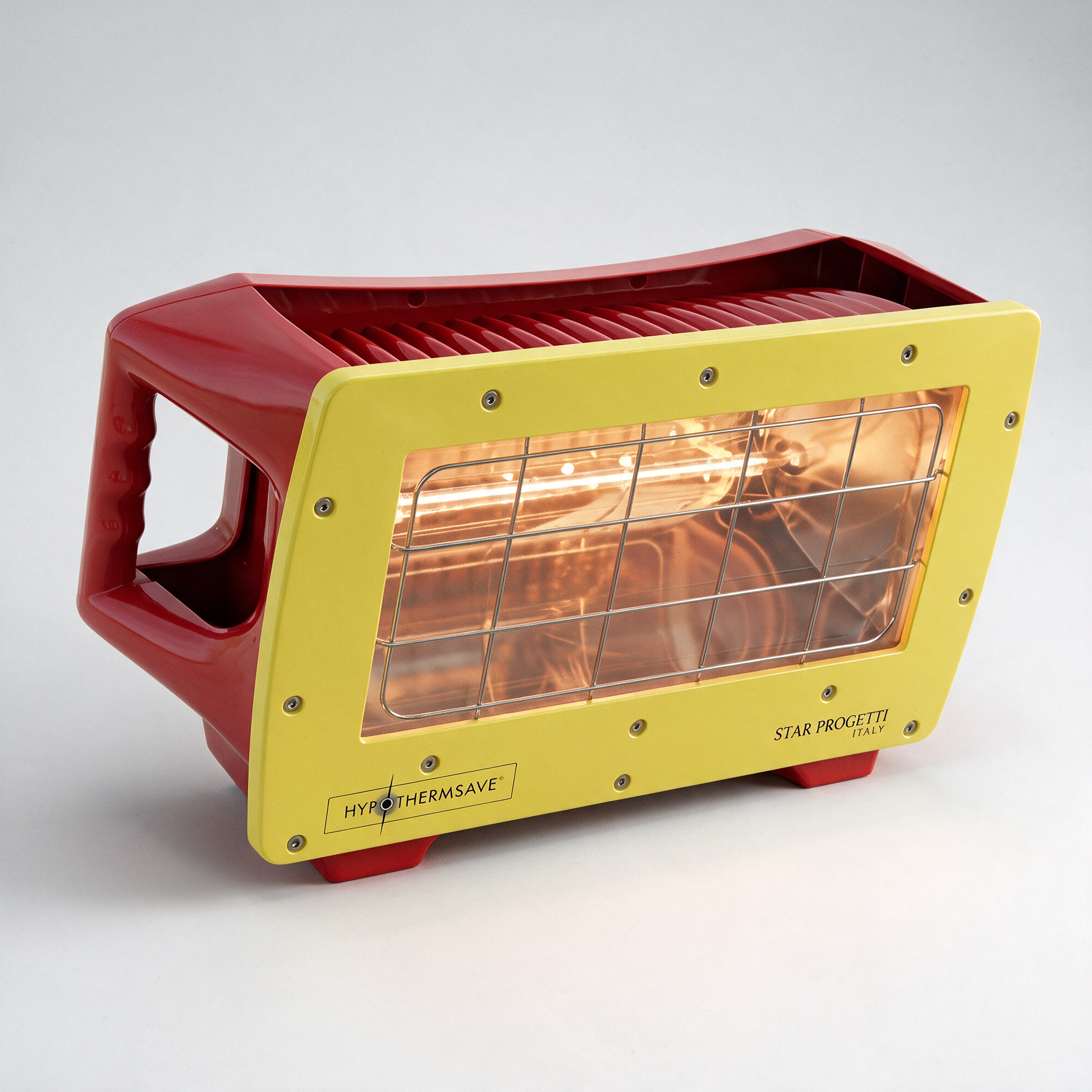
Star Progetti Hypothermsave® IR-lamp
 

Star Progetti Hypothermsave® IR-lamp

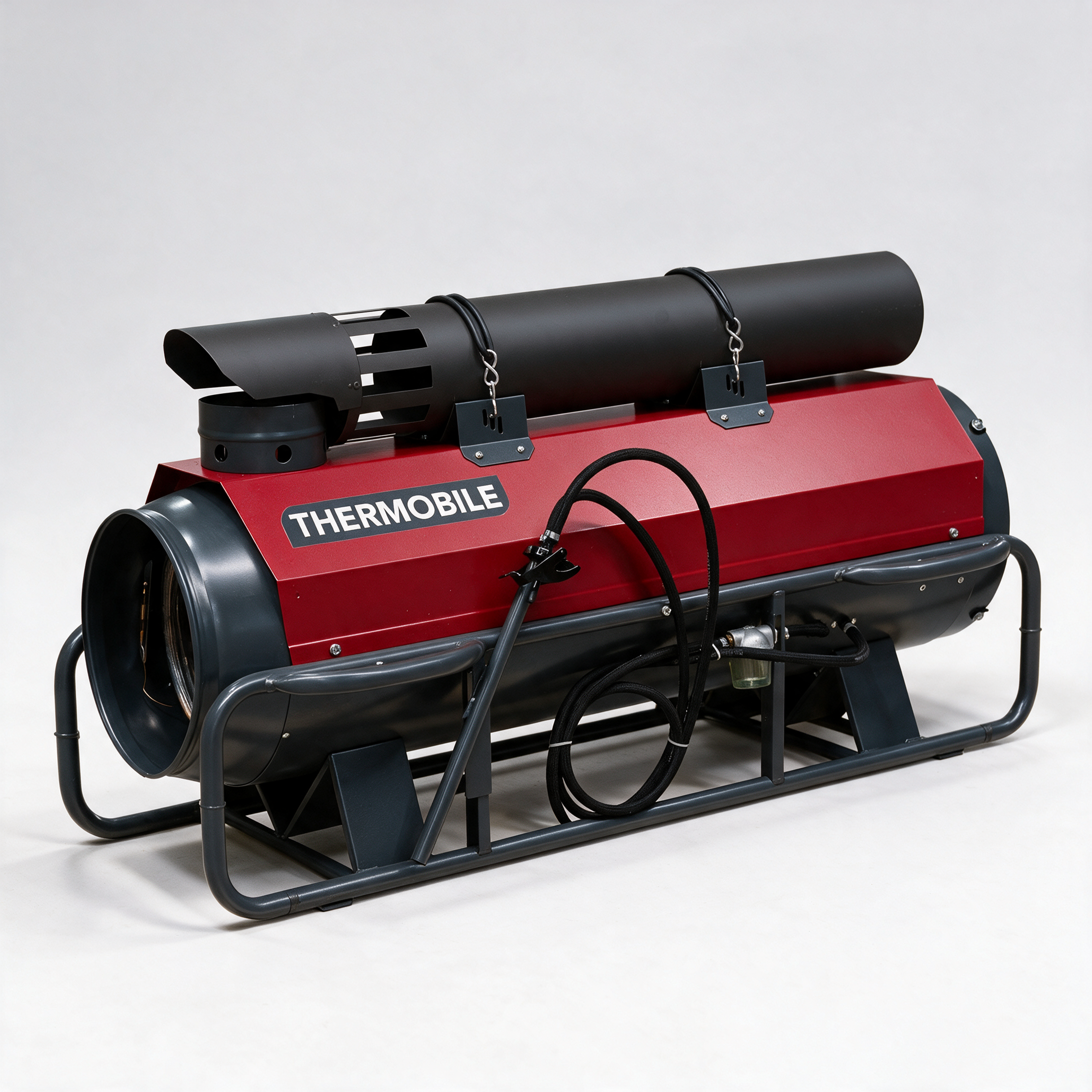
THERMOBILE Mobile Heater ITA-35R
ITA-35R

THERMOBILE Mobile Heater ITA-35R

The Thermobile ITA-35 R line is a mobile tent heater with several advantages over other ITA models.

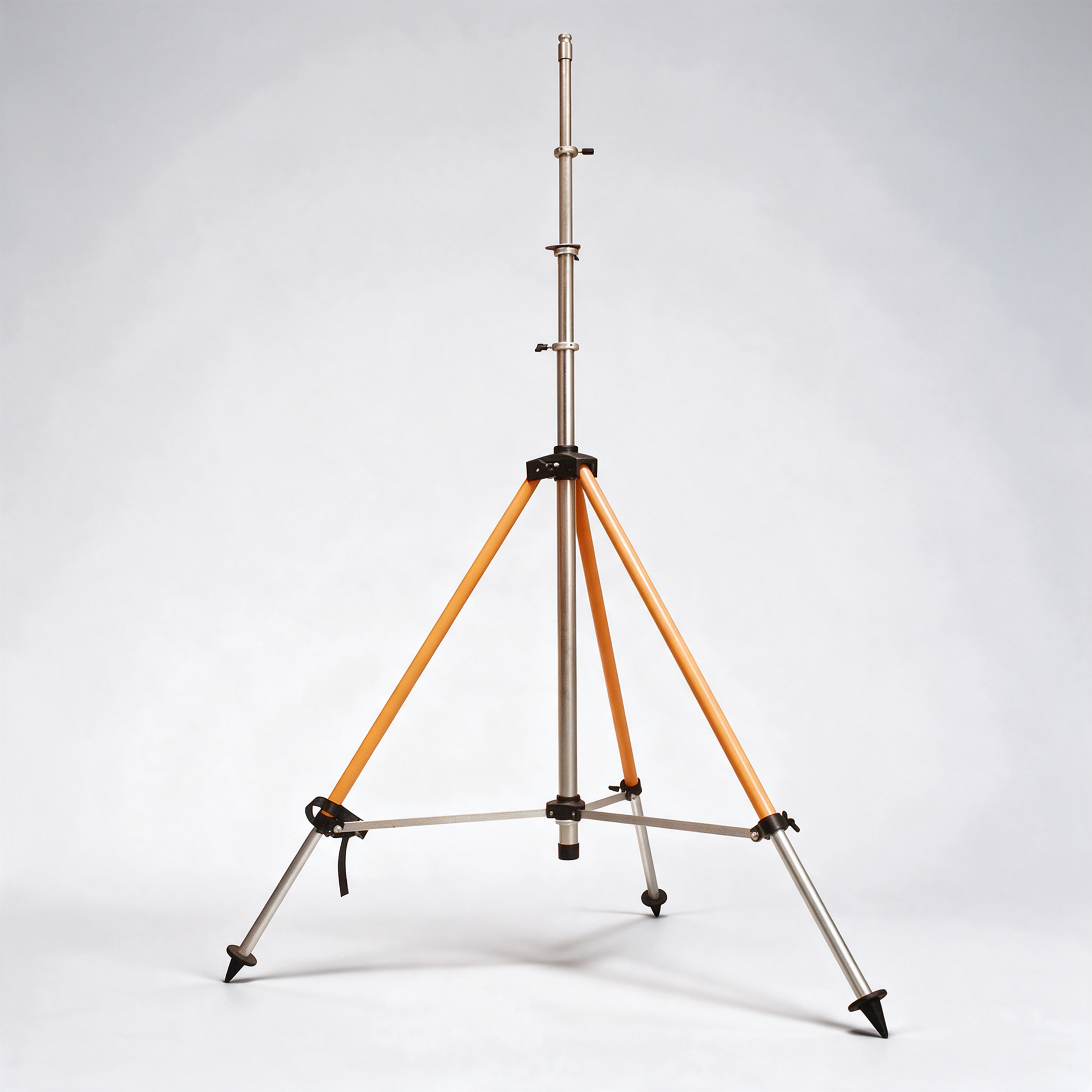
Tripod Telescopic 4,75m
8132 30

Tripod Telescopic 4,75m

This telescopic tripod with airsuspension reaches a height of over 4.75 m when extended, is

Next step / LESS

Build the right equipment setup.

Tell us about the task, your team and your existing equipment. We can help with product selection and documentation.

Talk to LESS