Part / 01
Start with the requirement, not the container size
Use your organisation's risk assessment and emergency plan to define the requirements. Describe the tasks, location and responsibilities. A supplier's standard package is a starting point for discussion rather than a substitute for that assessment.
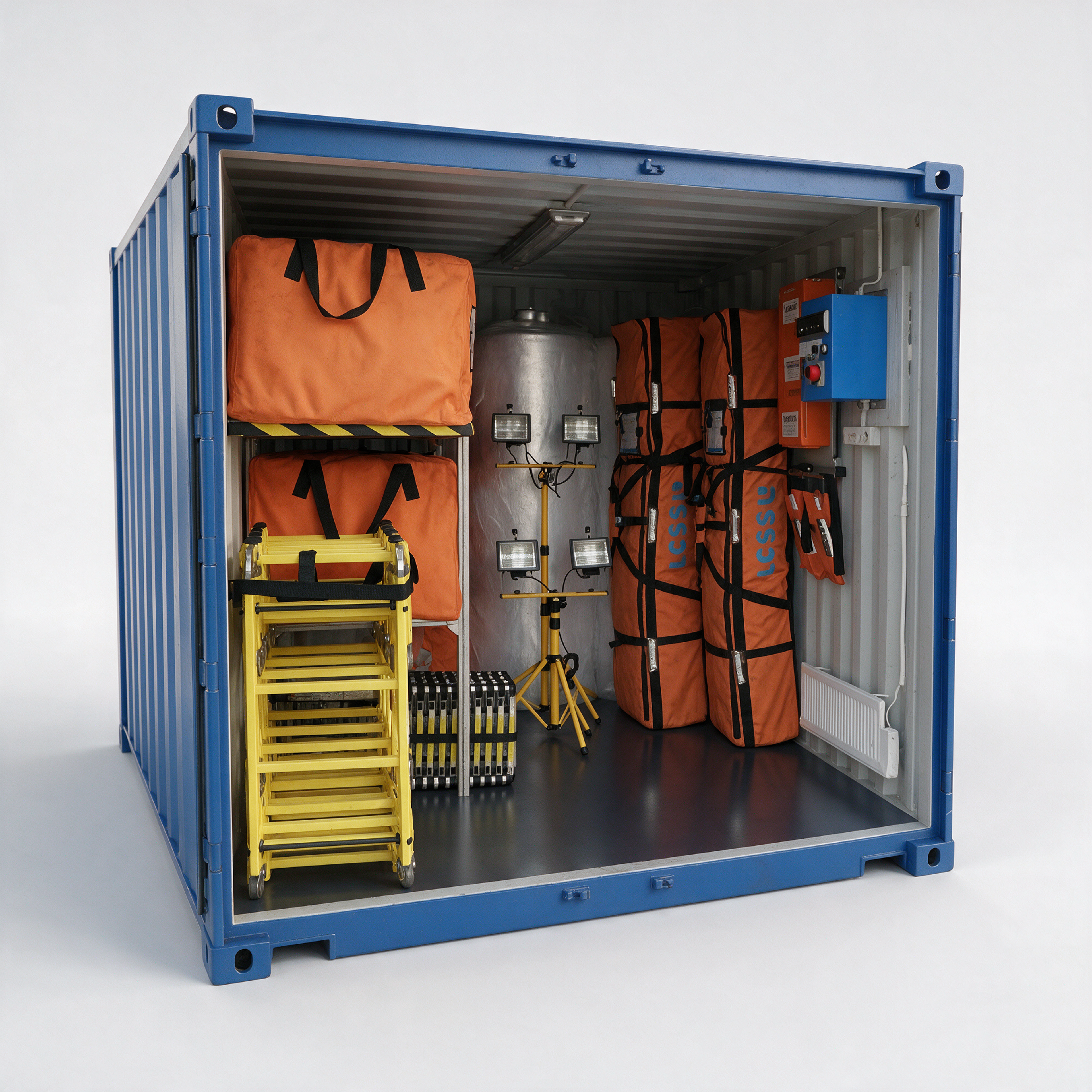
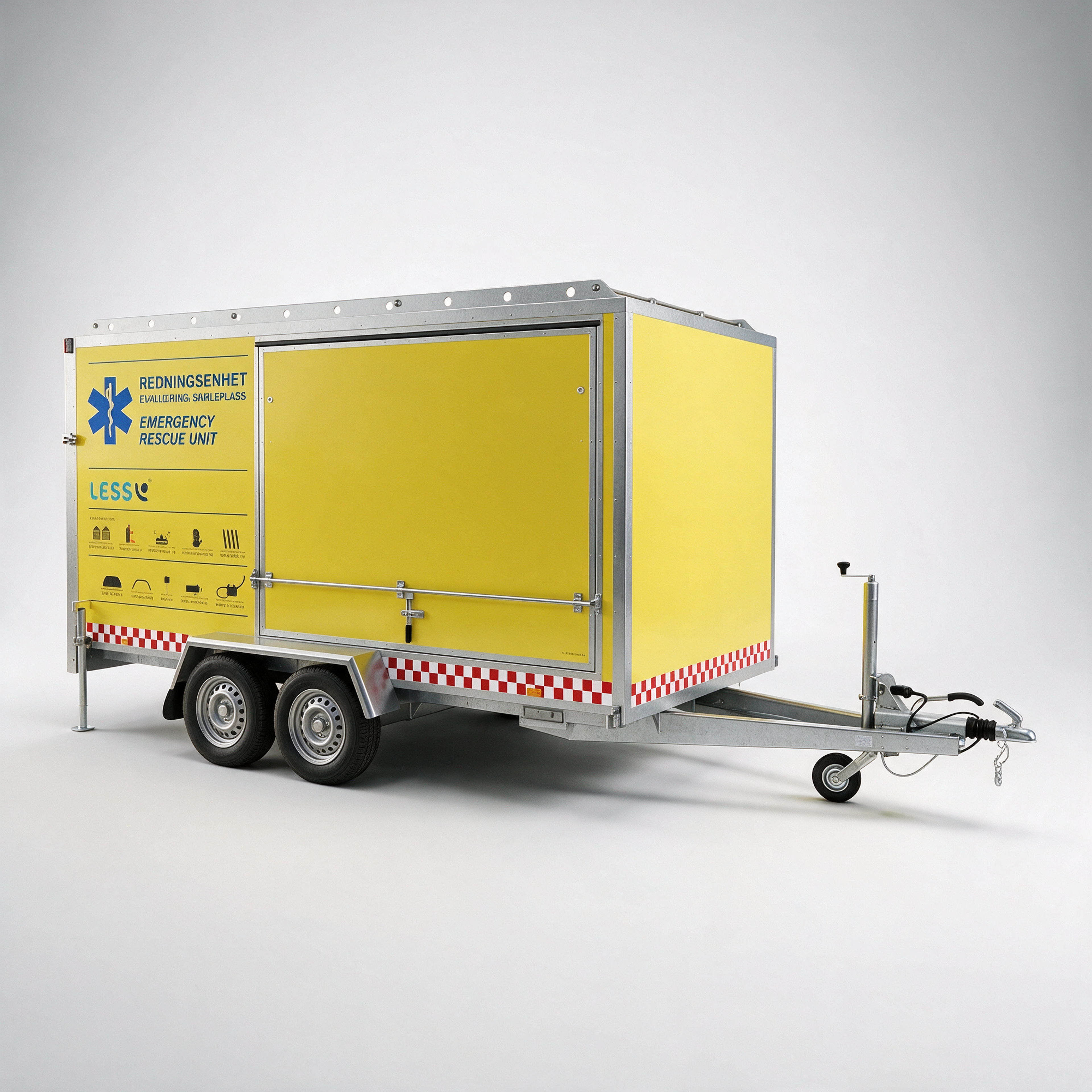
LESS preparedness equipment can be configured for containers, trailers, vehicles or a fixed equipment room. Choose the storage format after describing the tasks and transport requirements.
Part / 02
Group the equipment list by function
Grouping equipment by task makes gaps easier to identify. Use the functions below to discuss what is relevant to your organisation. This is a structure for procurement, not a universal packing list.
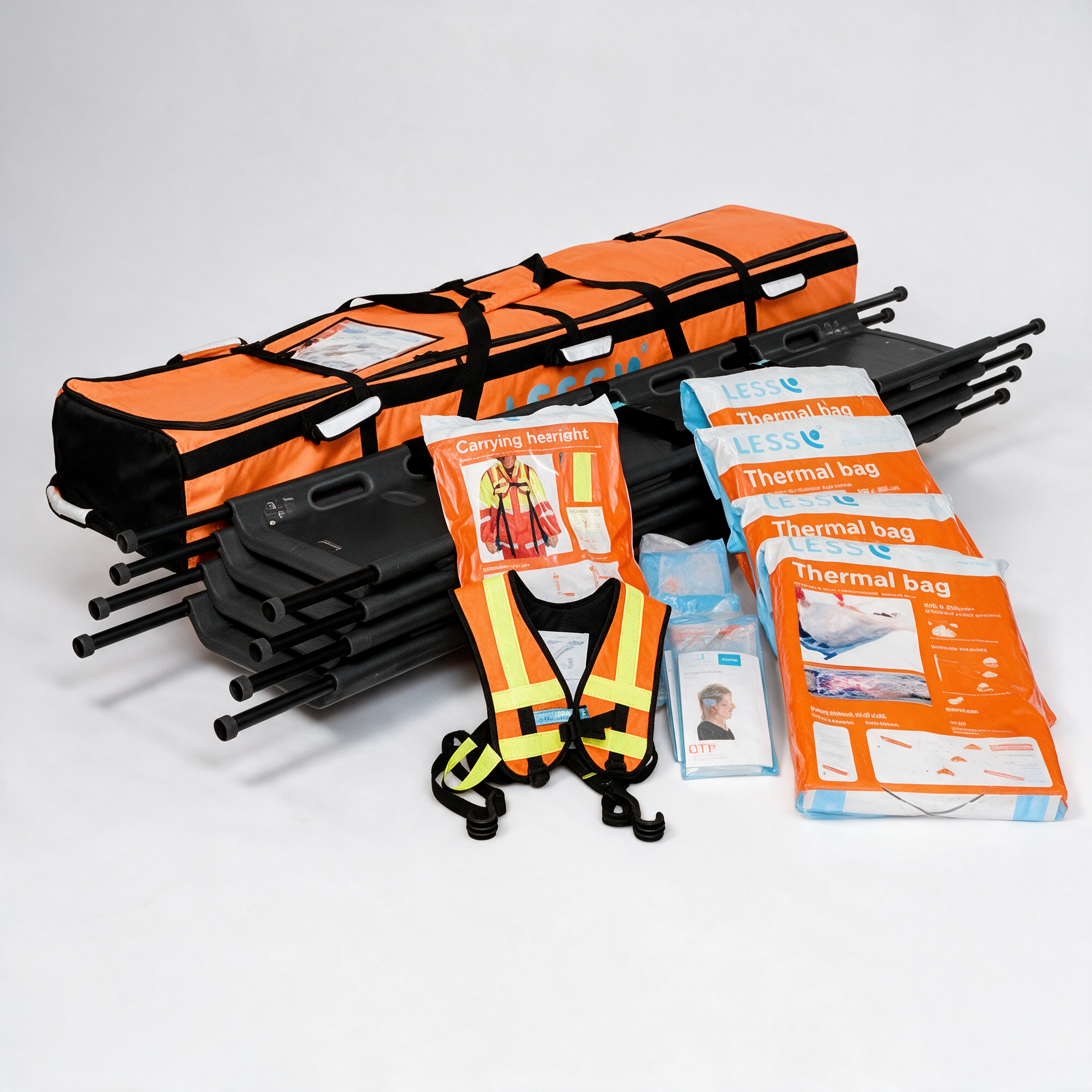
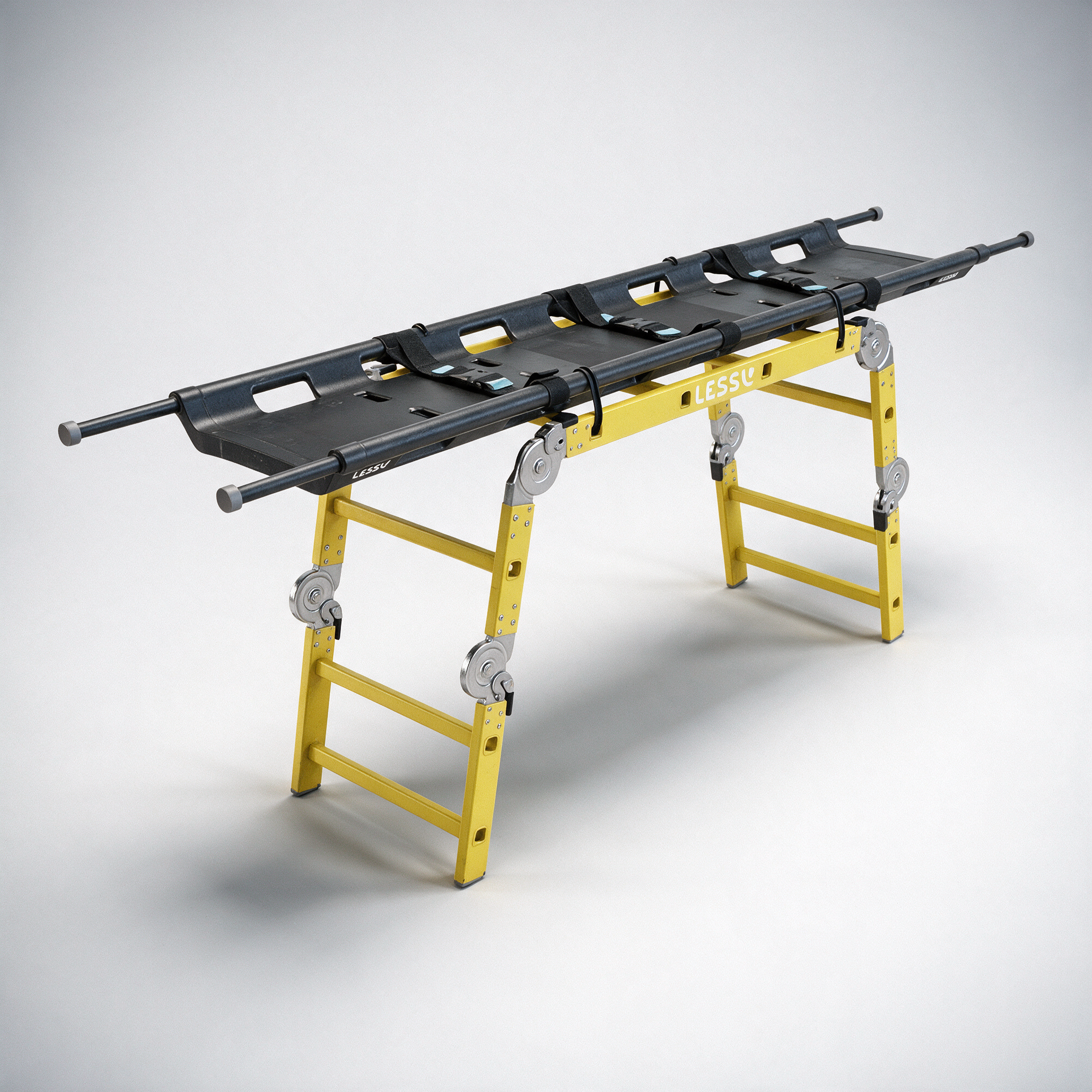
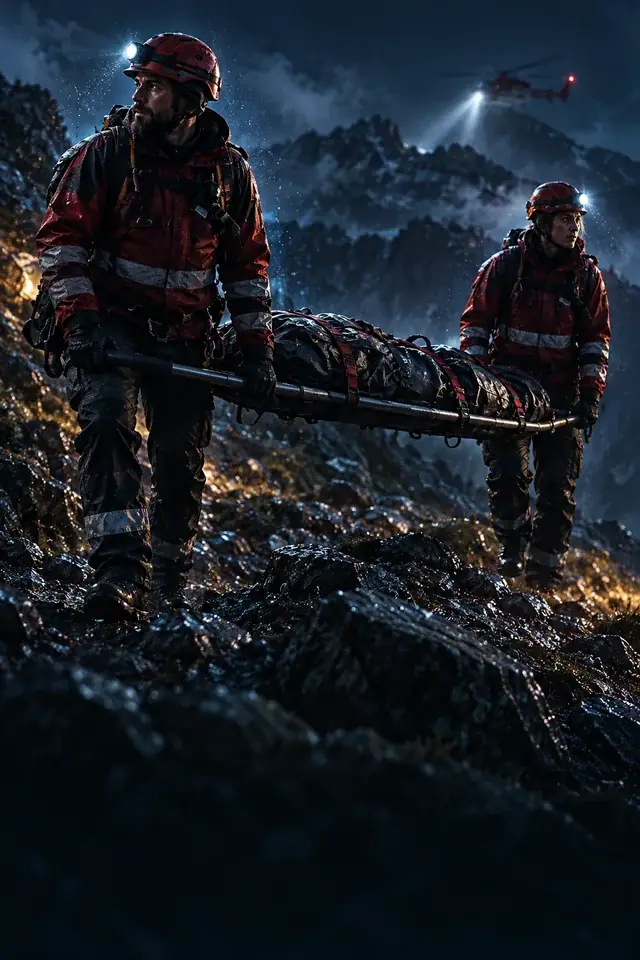
- Movement: stretchers, carry sheets, stretcher kits and transport equipment.
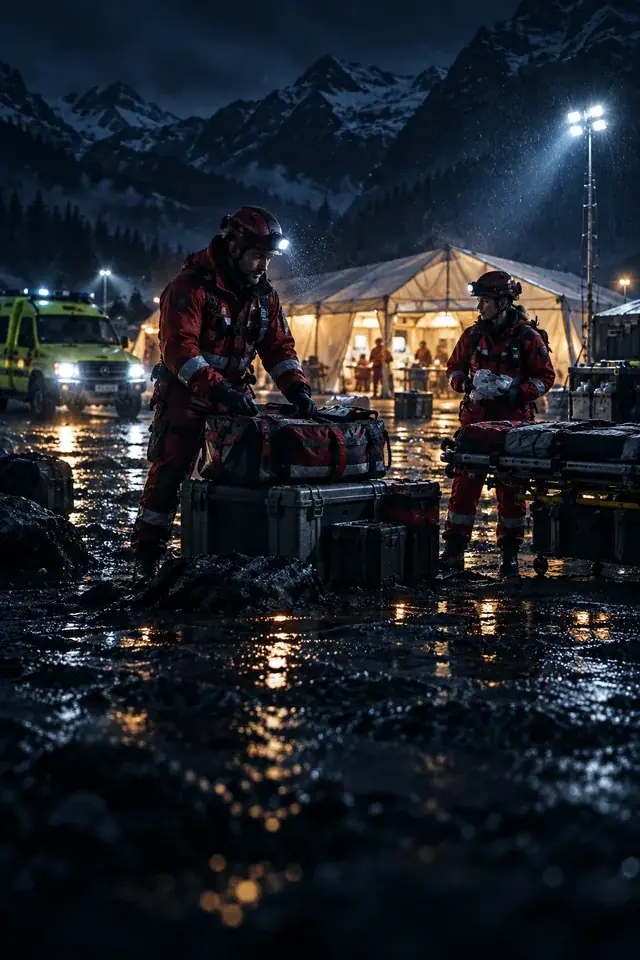
- Working space: tents, stretcher stands, lighting and work surfaces.
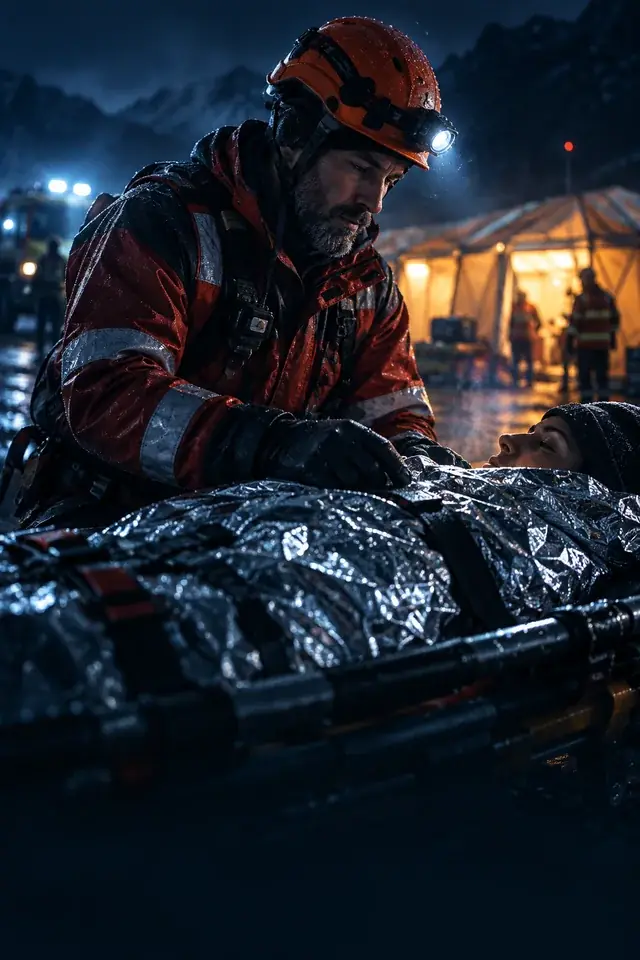
- Thermal equipment: blankets, bags and accessories in agreed sizes and quantities.
- Identification: triage materials compatible with your organisation's system.
- Operation: storage, inspection, cleaning, consumables and spare parts.
Part / 03
Check the complete route from storage to use
Identify access to the store, key holders, available vehicles and responsibility for collecting the equipment. Request the weight and packed dimensions of the complete supply. Contents, transport and placement need to be considered together.
Label storage positions so equipment can be found and returned. List the components requiring inspection, charging or replacement. Procedures and intervals must follow each product's documentation.
Part / 04
Include handover and exercises in procurement
Request a handover, documented inventory and training where needed. Let staff practise setup and repacking within your own organisation. Record anything difficult to locate, heavy to move or unclear to operate, then adjust the arrangement.
Assign responsibility for the inventory and for following up lessons from exercises. This helps maintain an accurate record when a component is replaced or a kit is extended.
Common questions
What should an emergency container contain?
Its contents should match the tasks in your emergency plan. Stretchers, blankets, tents and stands may be relevant, but quantities and configuration need to reflect your requirements. LESS can help develop a specific equipment list.
Does the equipment have to be stored in a container?
No. LESS offers configurations for containers, trailers, vehicles and dedicated rooms. Access, transport requirements and available space are central considerations.
What does LESS need to prepare a proposal?
Describe the tasks, storage location, transport options, existing equipment and intended users. Include requirements for demonstrations, training and delivery timing.
Product information and further reading
This guide draws on the product information below. Refer to product pages for current specifications, datasheets and instructions, and confirm your requirements with LESS before ordering.